
Ditching Clifton Hill & Rediscovering Niagara 🇨🇦
Why we played rock-paper-scissors to avoid the Falls and why I was wrong | 12

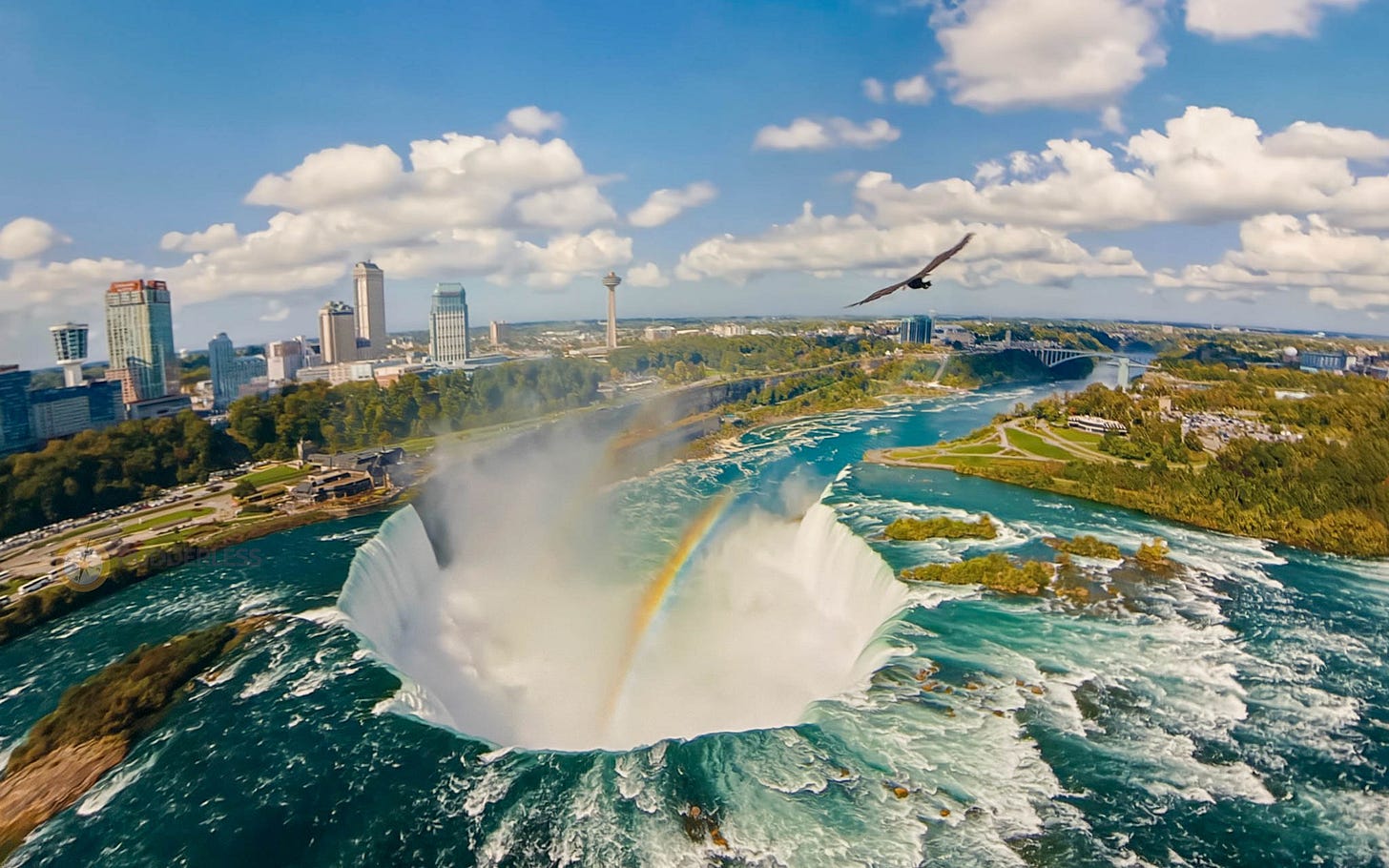
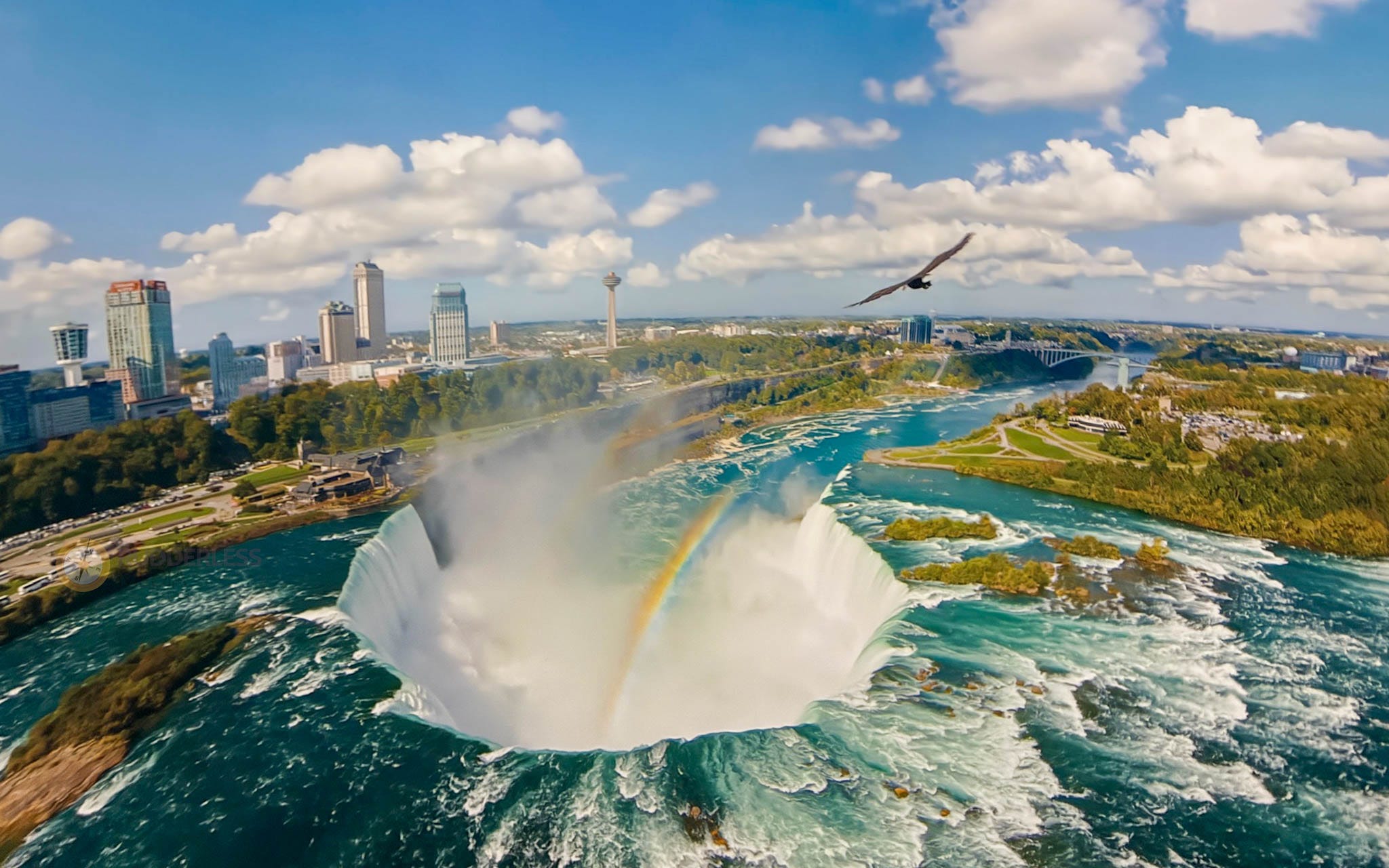
Growing up in Toronto, Niagara Falls has always been this place where my brothers and I would play a game of rock-paper-scissors to determine which of us unlucky individuals would need to take the next visiting family member to go see the Falls. We’ve been here So. Many. Times.
From school trips to family trips, I completely understand why last year in Germany, visiting a castle in Luxembourg with my cousins, they were not as thoroughly impressed with castles as much as I was.
While the main strip of Clifton Hill has all the Vegas-like wax museums, haunted houses, funny mirrors, go-karts, the upside-down house, and the casinos, childhood nostalgia aside, this area is built for tourists.
I was a guest on a podcast recently and one of the rapid-fire questions was “Niagara-on-the-Lake or Niagara Falls?”
My answer was simple: Niagara-on-the-Lake is for locals. Niagara Falls is for tourists.
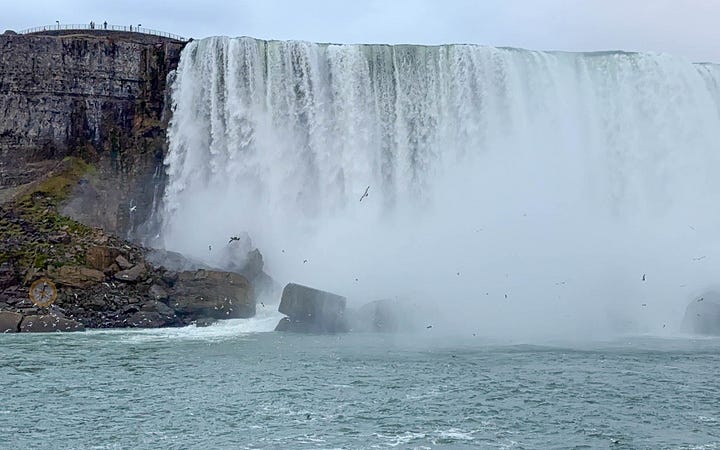
But that all changed this past weekend with the latest round of attractions. Aside from “Behind the Falls”—something I remember distinctly as a kid, there are some new spots definitely worth coming back to check out if you’ve been like me, and trying to avoid the area.
Ditching Clifton Hill & Rediscovered Niagara
While the raw power of the Falls will leave you in awe every time you visit, the surrounding region holds a deep history that goes way beyond the neon wax museums.
Indigenous Heritage: Long before Europeans arrived, the Haudenosaunee, Anishinaabeg, and Mississauga nations lived along these waters. The name “Niagara” itself is believed to originate from the Iroquoian word Onguiaahra, meaning “The Strait.”
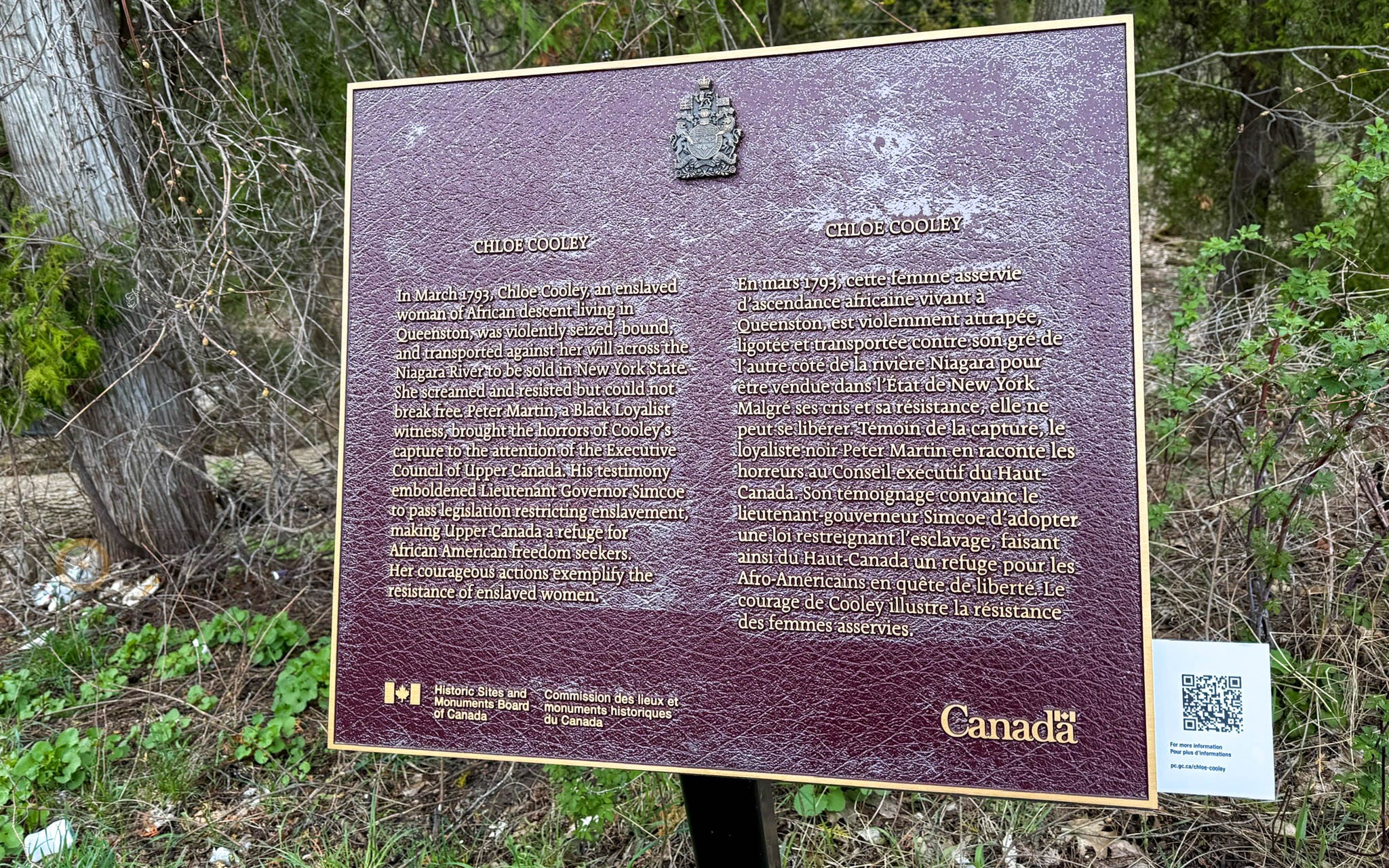
Chloe Cooley & The Louis Roy Press (1793): In 1793, Cooley, an enslaved Black woman in Queenston, fiercely resisted her violent forced sale across the Niagara River. Her resistance emboldened Lieutenant Governor John Graves Simcoe to introduce the Act to Limit Slavery in Upper Canada.
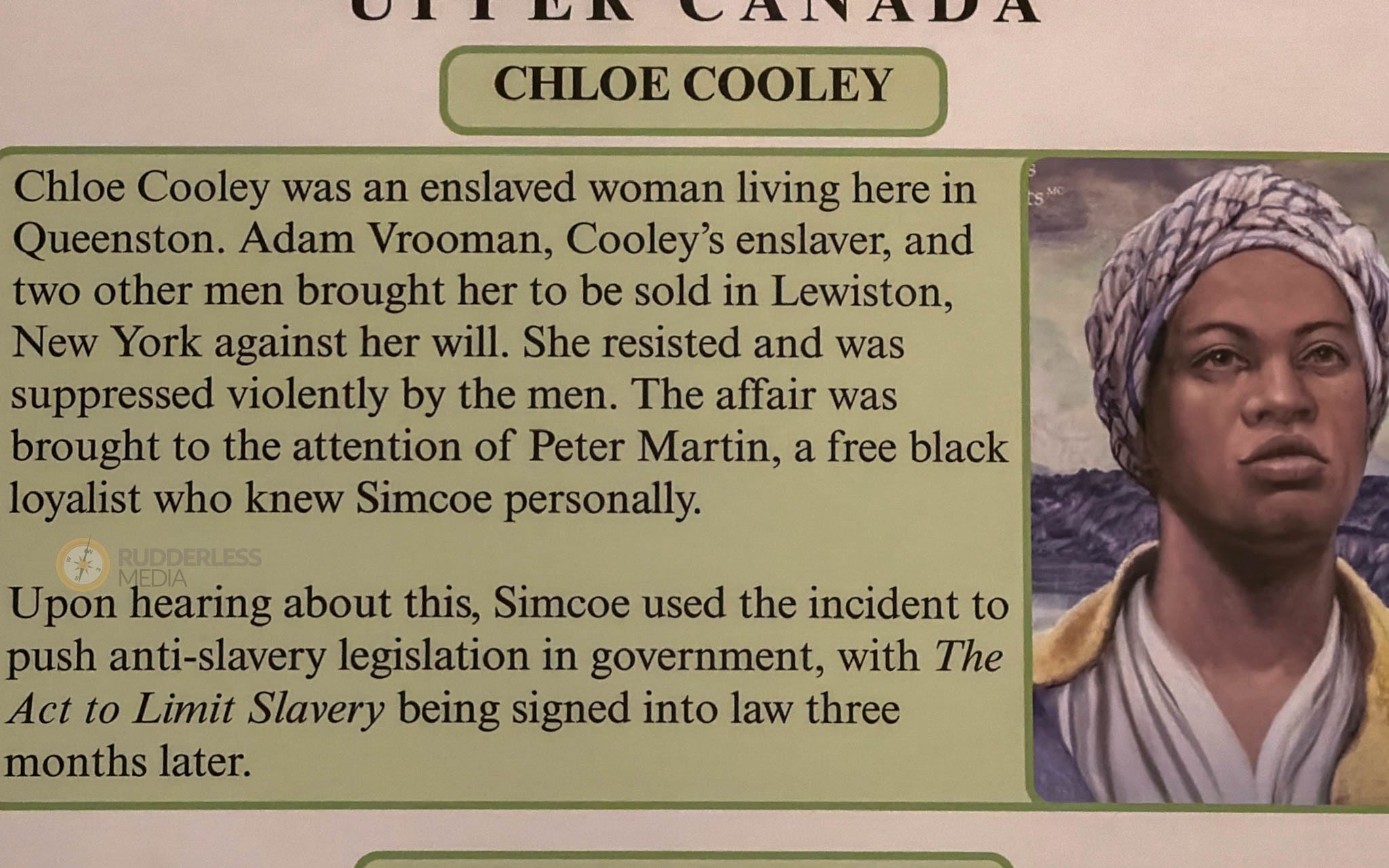
This was legislation that would prevent enslaved people from being brought into, or sent out of, the province, serving as a powerful catalyst for change.
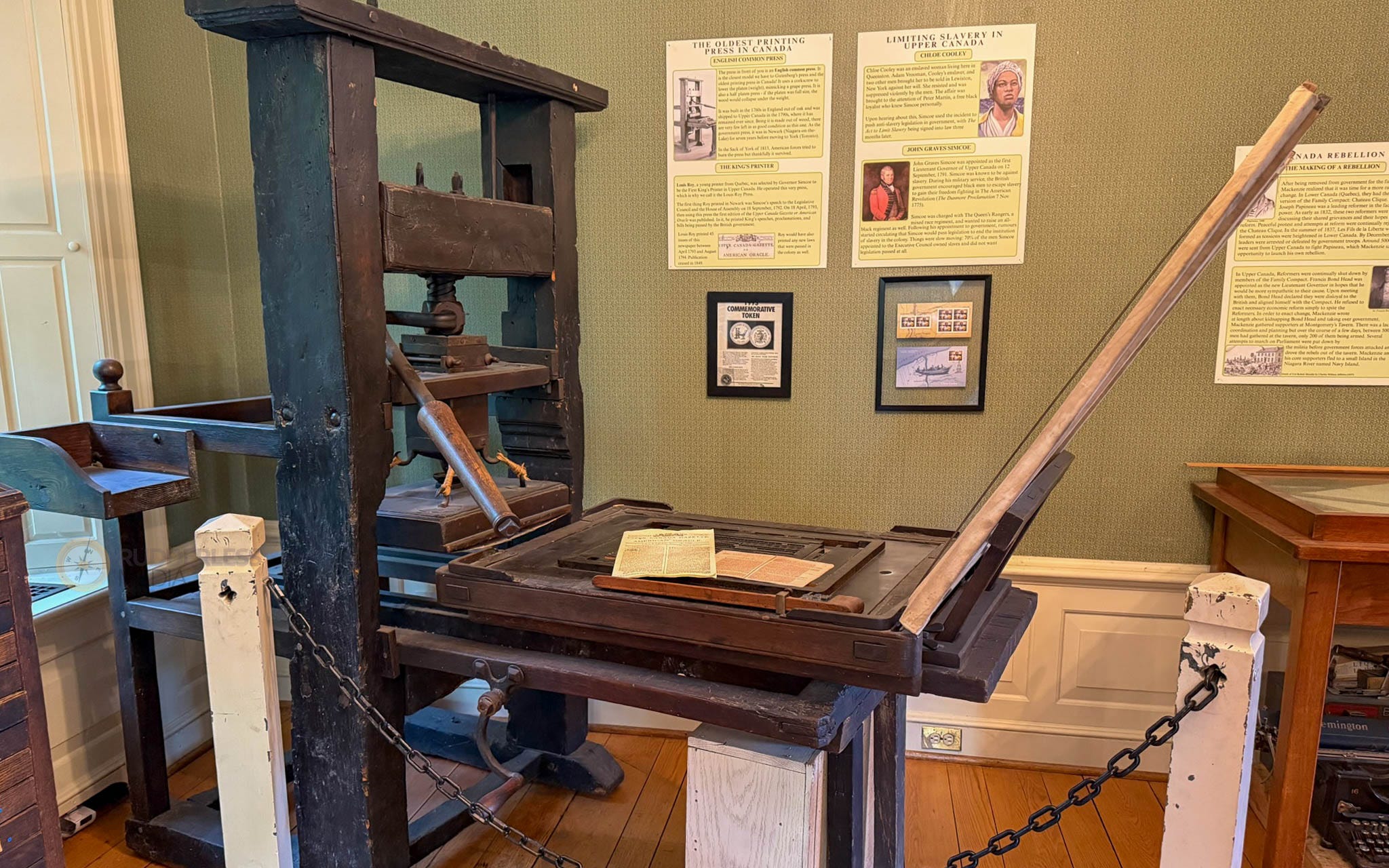
That law was actually printed on Canada’s oldest printing press: the Louis Roy Press. Built in the 1760s out of English Oak, this English Common Press is the crown jewel of the Mackenzie Printery & Newspaper Museum in Queenston. It is one of only seven wooden presses remaining in the world (and one of only two in working order in North America). It was also used to print Ontario’s first newspaper, The Upper Canada Gazette, or American Oracle.
Fort George (War of 1812): Located near Niagara-on-the-Lake, this military post was the headquarters for the Centre Division of the British Army during the War of 1812, serving as a key defense point along the border.
Laura Secord (June 1813): You may know the name as synonymous with chocolate, but in June of 1813, 37-year-old Secord walked 32 kilometers (20 miles, one-way) through dangerous, swampy territory starting from her home, the Laura Secord Homestead in Queenston, to warn British forces of an imminent American surprise attack.


Her bravery allowed British forces and their Haudenosaunee and allies to ambush and defeat the invaders.
We are working on an episode about her incredible trek, dropping this either this Fall or for Season 3 of the Rudderless Travel Podcast.
My 5 Faves:
If you want to bypass the craziness thst is Clifton Hill, these are my current five favorite things, and full disclosure: everything on this list is something I experienced for the first time this past weekend. I did visit the Power Station back in November of last year during the day to collect some b-roll for the video version of a podcast episode, but this weekend was the first time we actually experienced it at night.
Niagara Takes Flight: This incredible experience is Ontario’s first-ever state-of-the-art flying theatre attraction on the second floor of the Table Rock Centre. You sit in suspended, motion-based seats in front of a massive 17-metre (55 ft.) domed screen while effects like wind, mist, and scent simulate the senses.
The entire 35-minute experience includes a multi-room walk-through pre-show. You hear Indigenous creation stories told by Elders in “The Ancestors” room, watch a video about the geological and industrial history of the Falls in the “The Waterfall Through Time” room (narrated by Canadian legend James Cameron!), and enter “The Transporter” launch chamber before starting the simulated flight. I can safely say this is easily my favorite new attraction in the park.
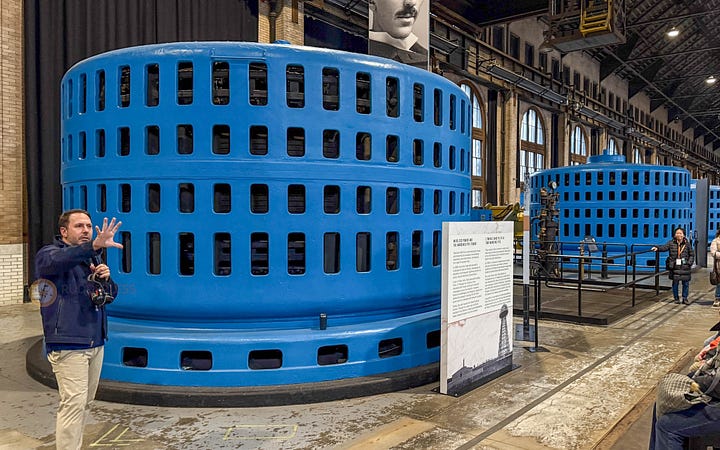
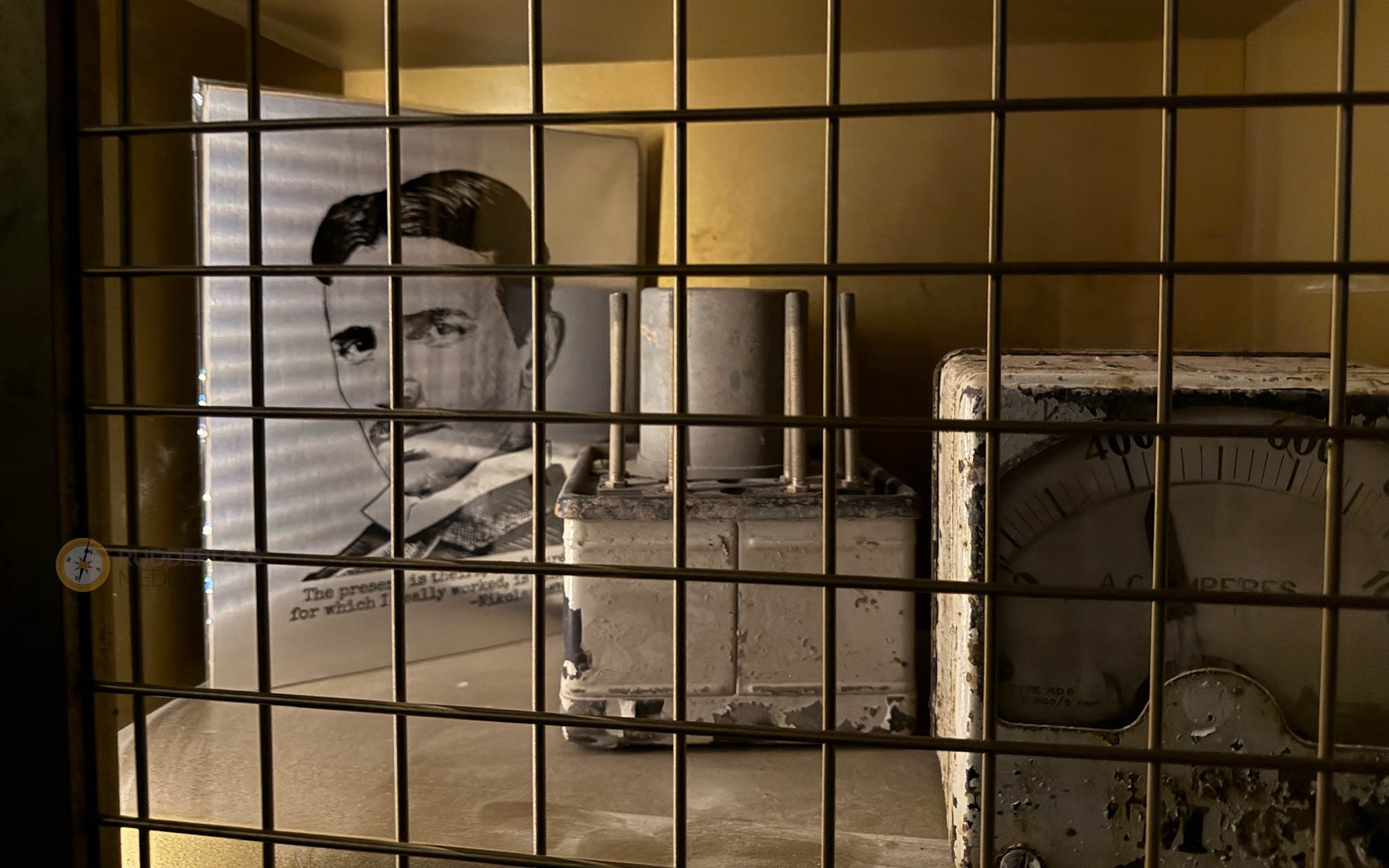
Niagara Power Station + Tunnel: This is a massive historical recovery project that directly showcases Nikola Tesla’s legacy. In 1895, Tesla harnessed the raw energy of the Falls to build the world’s first large-scale alternating current power plant, and that groundbreaking tech is exactly what powered this 115-year-old station (built in 1905).
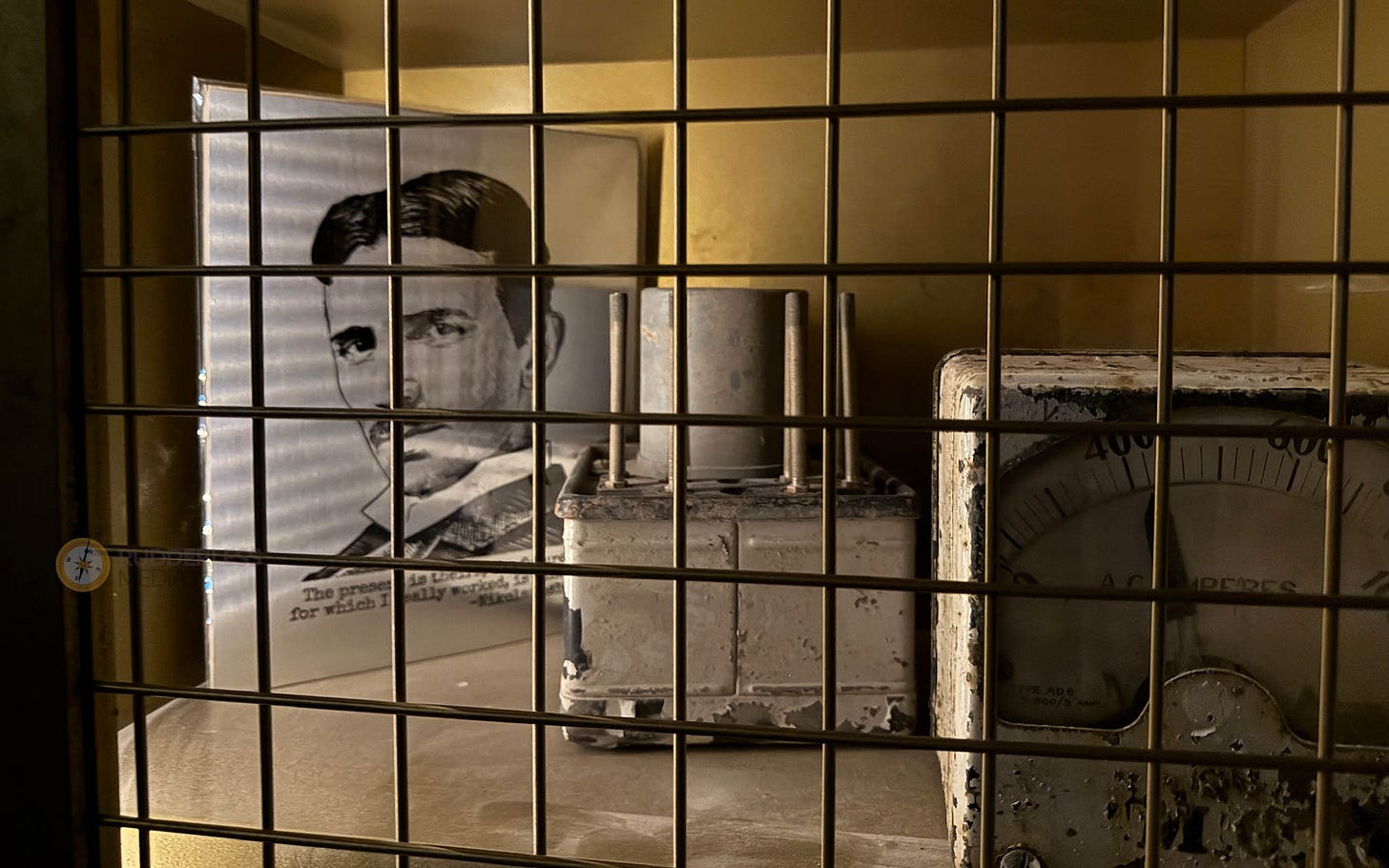
By day, you can walk through the restored generator hall, head 180 feet down in a glass-walled elevator, and walk the 2,200-foot-long brick-lined tailrace tunnel right to a viewing platform at the edge of the river. By night, the generator hall transforms into “Currents,” an immersive, interactive light and sound show that maps the journey of water through the turbines.
You can get yourself a “Nikola Tesla is my Super Hero” tee shirt in the gift shop!
This is that podcast episode i mentioned earlier. We are actually telling this entire, massive Tesla story in a special three-part series (episodes 17, 18, and 19) on the Rudderless Travel Podcast this August.
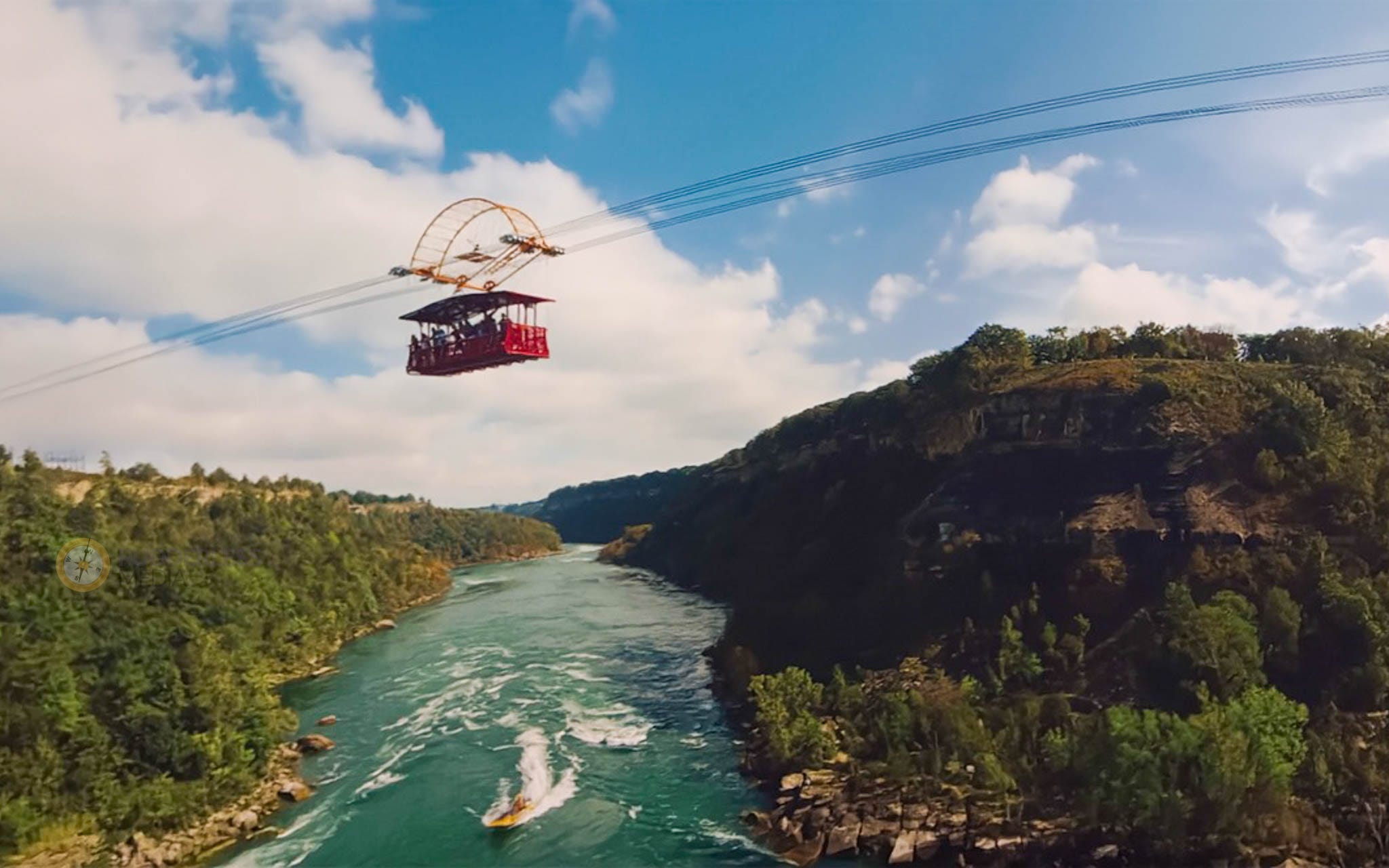
Whirlpool Aero Car: Designed by Spanish engineer Leonardo Torres Quevedo and operating since 1916, this antique cable car suspends you directly over the swirling, mesmerizing Class 6 rapids of the Niagara Whirlpool. It’s old-school engineering that still holds up, and yes, you actually cross the international border line between Canada and the United States four times on each round trip.
Sure it’s been here for awhile but I never did it till now.
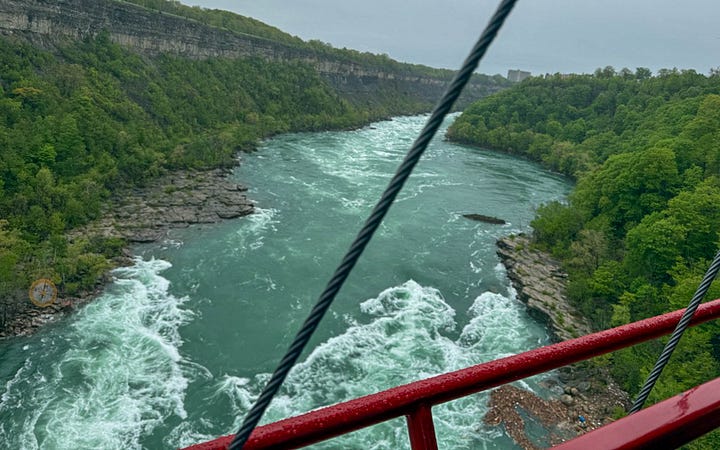
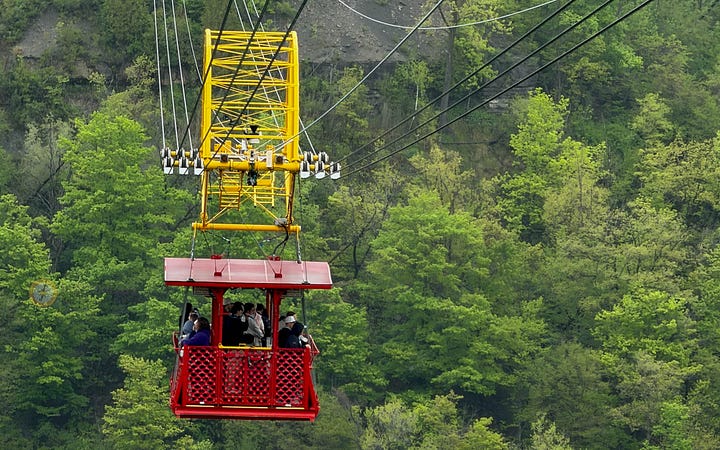
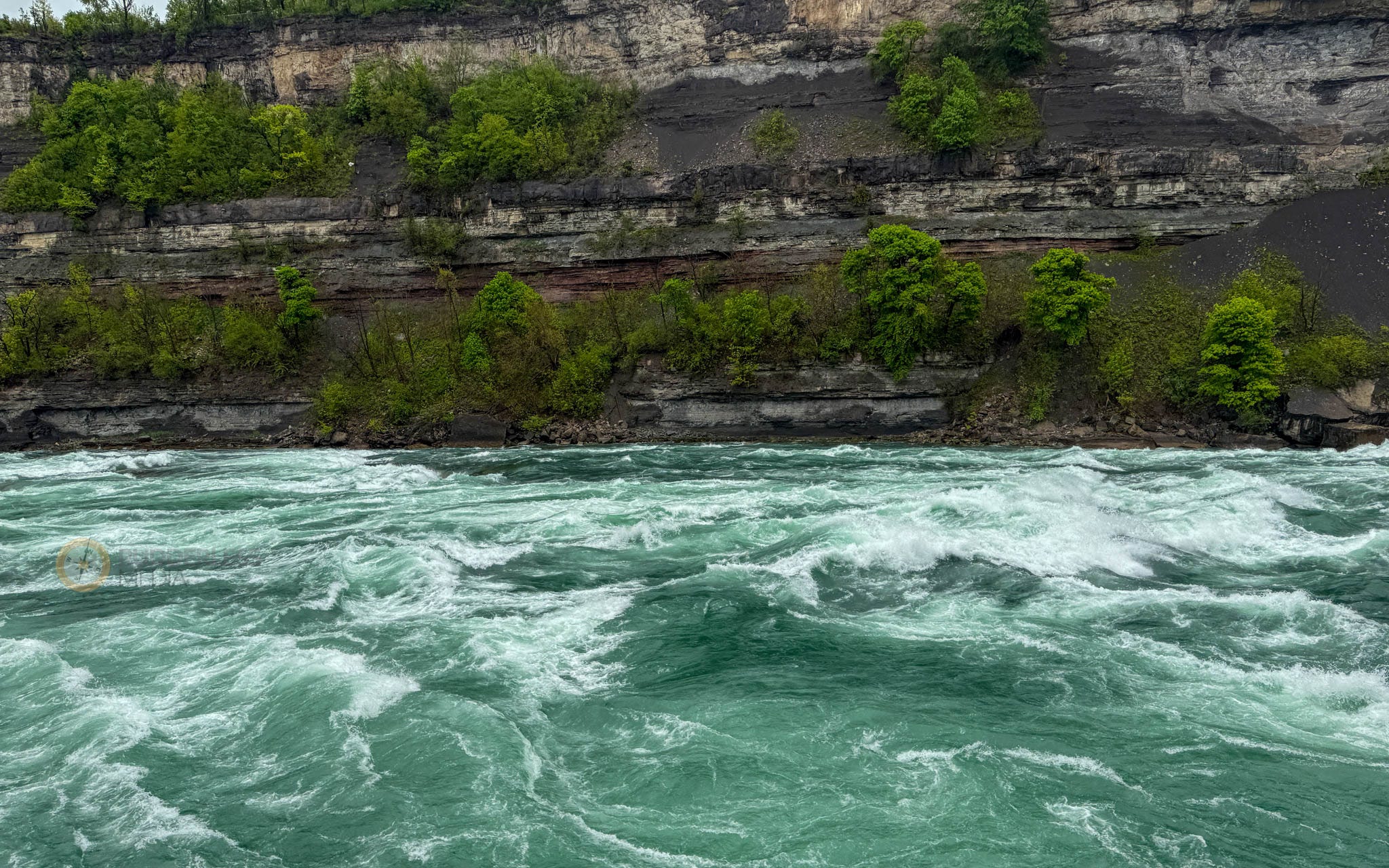
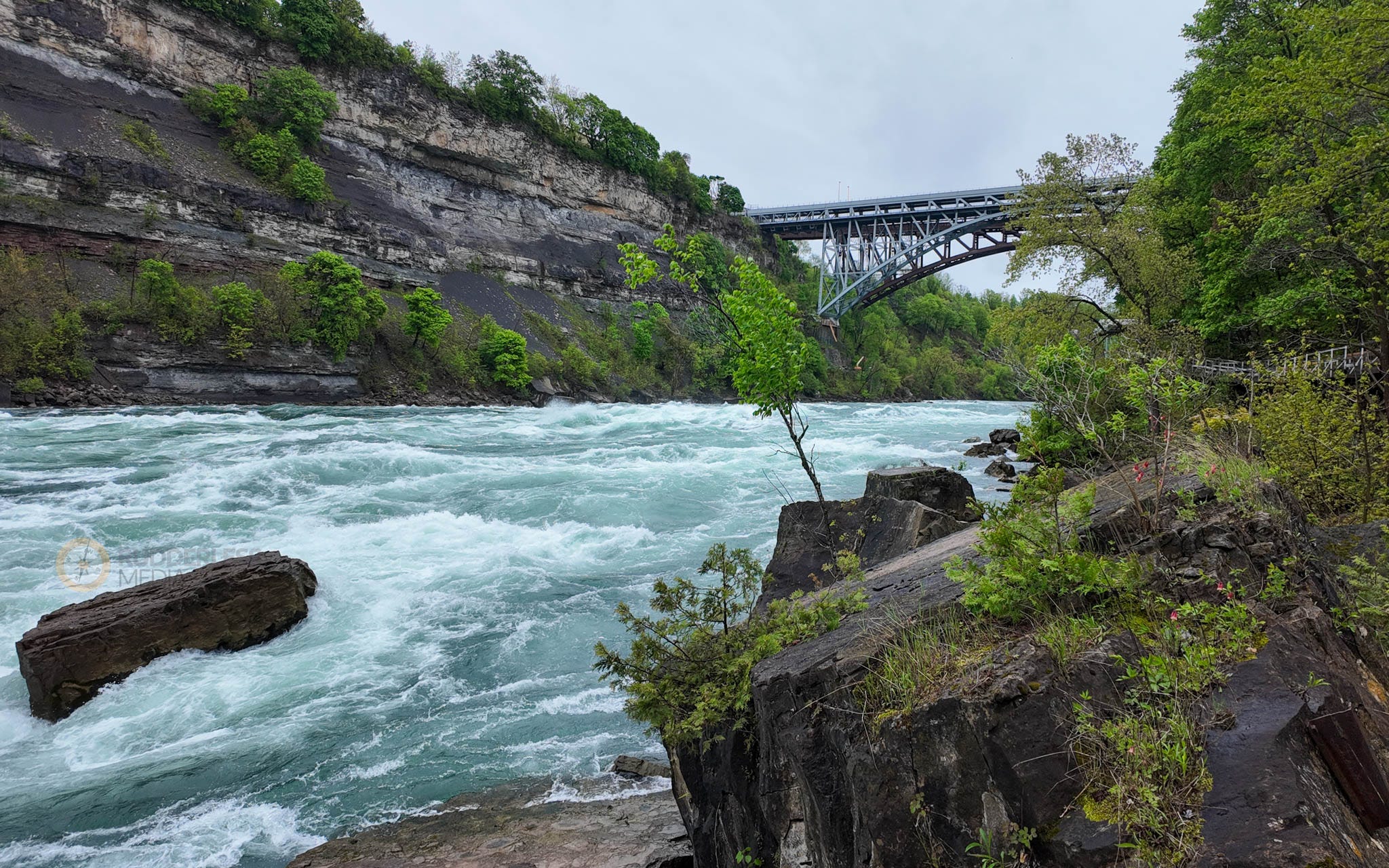
White Water Walk: Speaking of the Class 6 rapids and the Niagara Whirlpool. To get to the white water walk, you take an elevator down 70 metres (230 feet) through bedrock, walk through a 73-metre tunnel, and step out onto a quarter-mile (400-metre) boardwalk right alongside the roaring Class 6 whitewater rapids of the Niagara River. Standing just feet away from millions of gallons of water rushing past at 48 km/h is a humbling reminder of nature’s power.
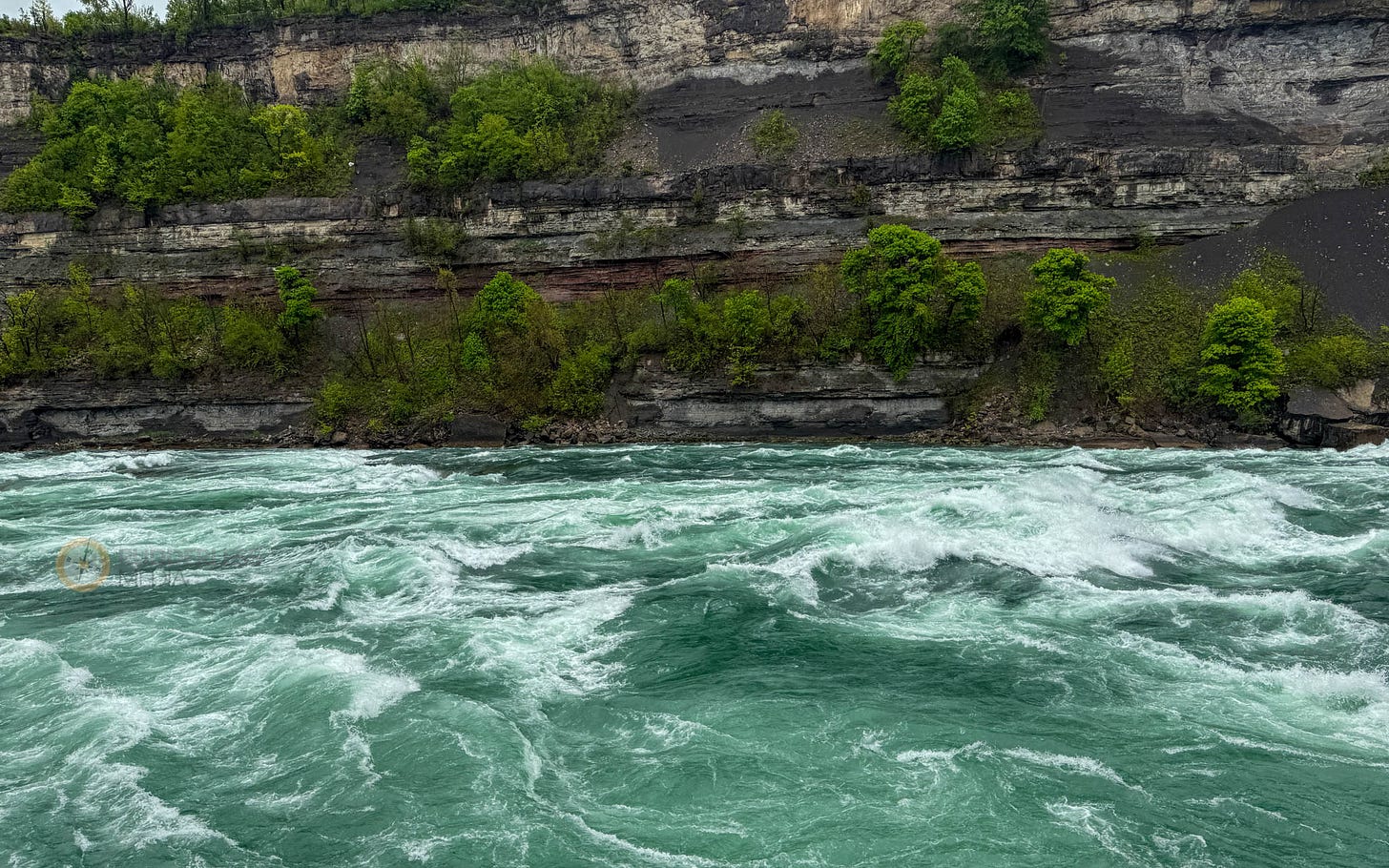
But when you look up from the boardwalk, you can see the modern Whirlpool Rapids Bridge, which stands on the exact site of the old Niagara Falls Suspension Bridge. This is the exact crossing where Harriet Tubman personally guided dozens of freedom seekers across the Gorge in the 1850s.
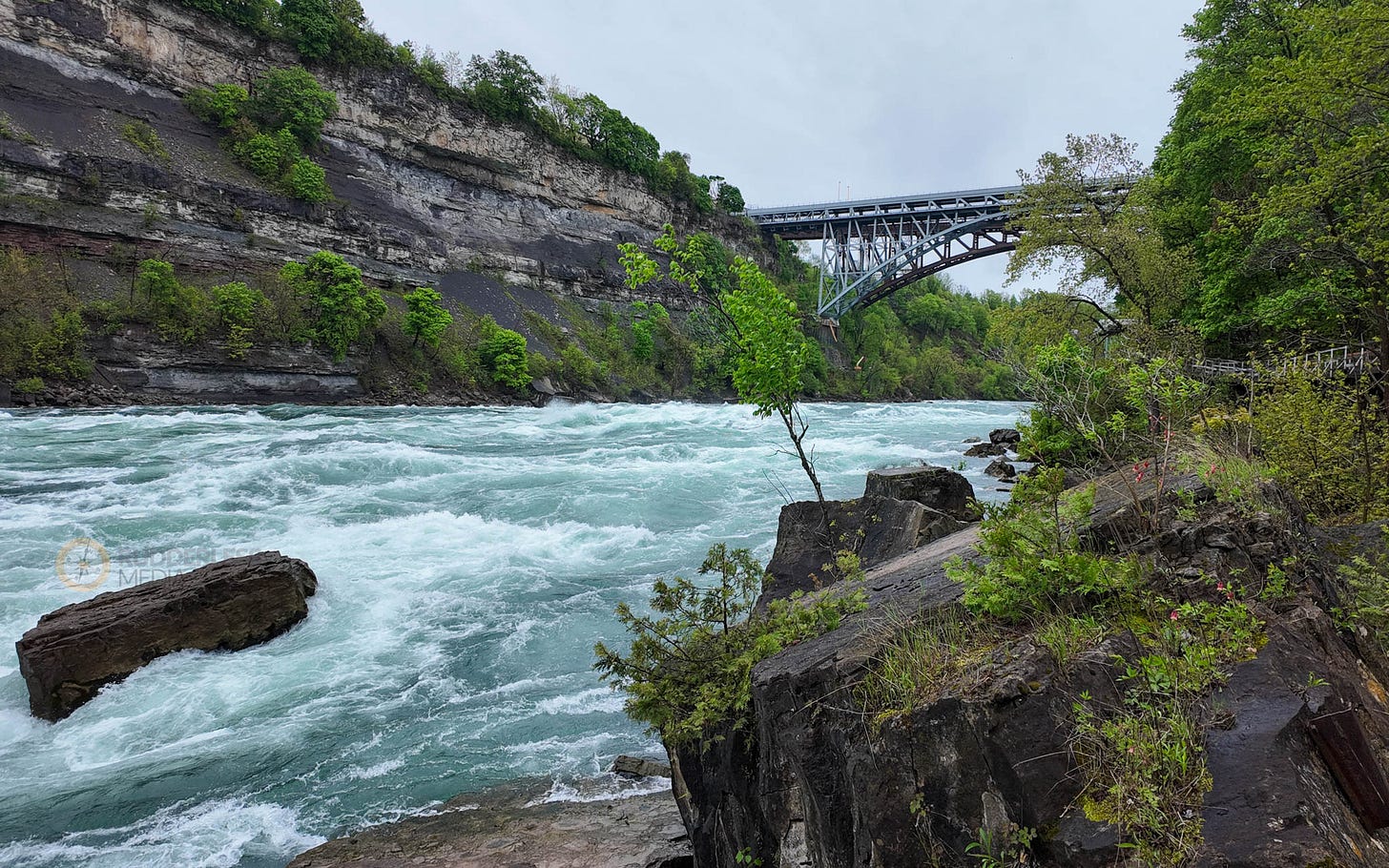
Standing on that modern boardwalk looking up at where people made their final, terrifying run for freedom completely changes how you see the river.
(We have ep. 20 of the Rudderless Travel Podcast dropping in the fall that covers Tubman, and her time at Salem Chapel BME Church Harriet Tubman Underground Railroad National Historic Site in St. Catharines.)
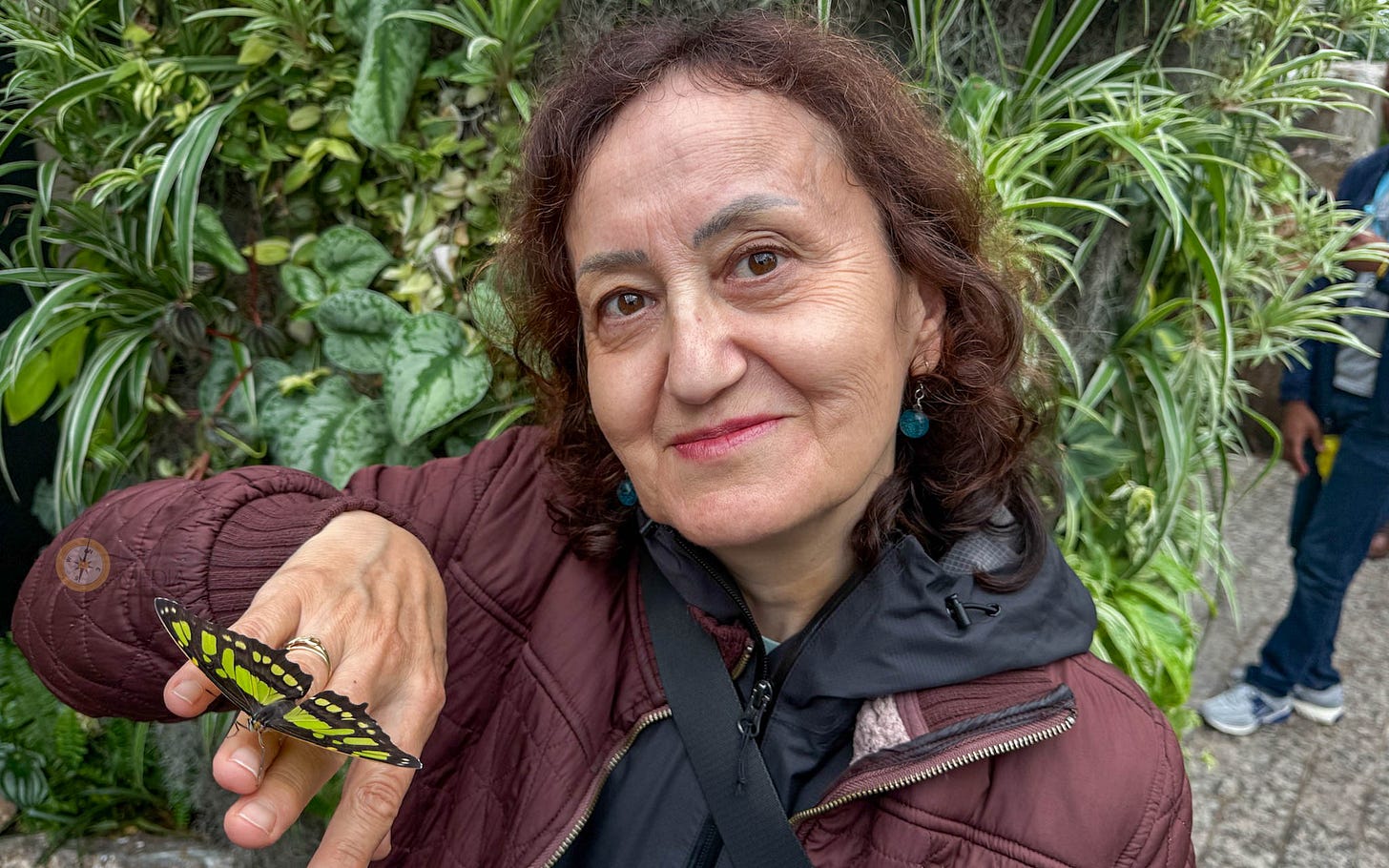
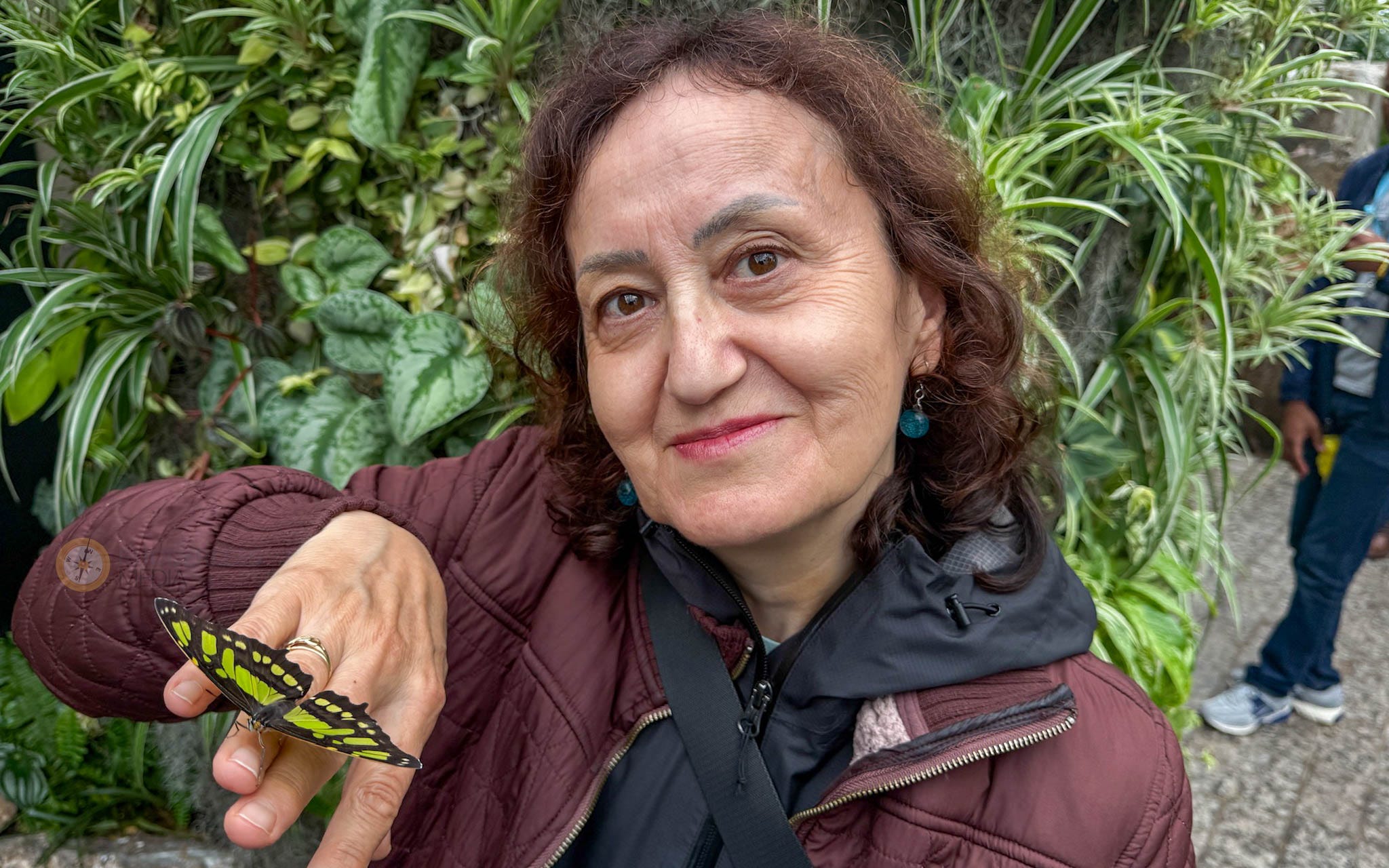
Butterfly Conservatory + Botanical Garden: Located on the grounds of the Niagara Parks Botanical Gardens, this is a giant glass, climate-controlled dome filled with over 2,000 free-flying tropical butterflies. It’s quiet, warm, and a welcome break from the torrential down pour we experienced all weeekend.


Are you a Niagara-on-the-Lake local-vibe person, or do you secretly love the chaotic tourist energy of Clifton Hill? Let Gordana and me know in the comments below! Don’t forget to share this post with your favorite road trip buddy.
— Keep Calm & Road Trip ON (Christopher & Gordana)
Road Trip Ontario: Shop | Website | Facebook Group | Resources | Work With Us
This was quite the balanced piece, blending together personal narratives, historical insights, and newbie recommendations for both the popular (Niagara Falls) and the niche (Niagara-on-the-Lake). An engaging read and good template for a quick introduction to a place.